
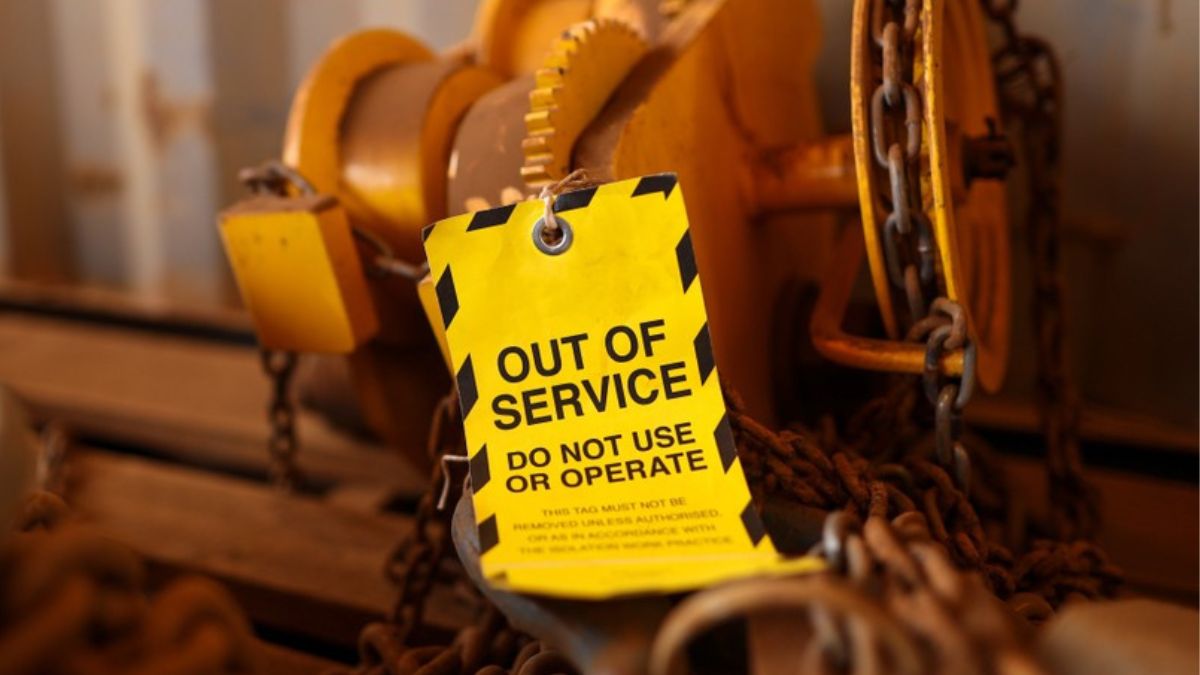
Modern industries depend on complex and high-value machinery to operate efficiently. Turbines generate electricity, compressors drive industrial processes, transformers distribute power, and production lines manufacture essential goods. When any of these machines suddenly fail, operations can stop instantly — often resulting in costly repairs and significant business disruption.
This is where Machinery Breakdown (MB) insurance plays a critical role. Unlike standard property insurance, which typically responds to external events such as fire, lightning, or natural disasters, Machinery Breakdown policies are designed to cover internal mechanical or electrical failure within insured equipment.
Several clauses within Machinery Breakdown policies determine how this protection applies in practice. Understanding these clauses helps businesses and insurance professionals appreciate how coverage operates when technical equipment fails unexpectedly.
1. Machinery Breakdown Coverage Clause
What It Is
The Machinery Breakdown Coverage Clause provides protection against sudden and unforeseen physical damage to insured machinery caused by internal mechanical or electrical failure.
Typical causes may include:
- Mechanical failure of internal components
- Electrical short circuits
- Rotor imbalance
- Lubrication system failure
- Overheating
- Damage caused by centrifugal force
A key condition is that the failure must be sudden and accidental. Gradual deterioration or predictable wear over time generally falls outside the scope of coverage.
Practical Example
A manufacturing facility operates a large industrial compressor. Due to a sudden failure in the lubrication system, internal components overheat and the rotor seizes.
✔ The Machinery Breakdown policy may cover the repair or replacement of the damaged internal parts of the compressor.
2. Dismantling & Reinstallation Clause
What It Is
Repairing damaged machinery often requires engineers to dismantle surrounding equipment to access the failed component. Once repairs are completed, the machinery must then be carefully reassembled and tested before returning to operation.
The Dismantling & Reinstallation Clause covers the costs associated with:
- Dismantling machinery or equipment assemblies
- Transporting damaged components for repair
- Reinstalling and reassembling repaired parts
Practical Example
In a power plant, a generator rotor fails within a turbine assembly. Engineers must dismantle part of the turbine housing to access the damaged rotor before repairs can begin.
✔ The policy may cover the dismantling and reinstallation costs necessary to carry out the repair.
3. Expediting Expenses Clause
What It Is
When critical machinery fails, businesses often attempt to restore operations as quickly as possible to minimize operational downtime and financial loss.
The Expediting Expenses Clause may reimburse additional costs incurred to accelerate the repair process. These costs may include:
- Express or air freight for replacement parts
- Overtime labour for repair engineers
- Emergency sourcing of critical components
Practical Example
A factory’s main transformer fails and replacement components must be imported urgently. To reduce downtime, the company chooses air freight instead of slower sea freight transport.
✔ The additional transport costs may be covered under the expediting expenses clause.
4. Exclusion of Wear & Tear Clause
What It Is
Machinery Breakdown policies are designed to protect against unexpected failures rather than routine maintenance problems. For this reason, most policies specifically exclude damage resulting from normal deterioration over time.
Common exclusions include:
- Normal wear and tear
- Gradual deterioration
- Corrosion or erosion
- Lack of proper maintenance
Practical Example
A turbine bearing slowly deteriorates over several years due to inadequate maintenance. Eventually the bearing fails and damages surrounding components.
This would normally be excluded because the underlying cause is gradual wear rather than sudden mechanical breakdown.
Why Machinery Breakdown Insurance Matters
For industries such as manufacturing, energy generation, mining, and heavy industrial operations, machinery is often the core asset driving productivity and revenue.
While property insurance protects against external perils like fire or explosion, Machinery Breakdown insurance responds to technical failures within the machine itself — failures that can occur without any external event.
Without this specialized coverage, businesses may face substantial repair costs and prolonged operational disruptions when critical equipment fails unexpectedly.
Key Takeaways
- Machinery Breakdown insurance protects against sudden internal mechanical or electrical failures.
- Coverage may include repair costs, dismantling expenses, and expedited repair costs.
- Gradual deterioration and poor maintenance are typically excluded.
- These clauses are essential for industries relying on complex industrial equipment.